

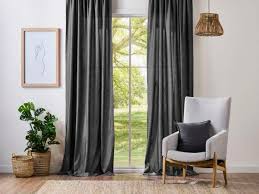
Step into a room and notice the curtains. They set the mood, soften the light, and bring warmth to the space. But what if those same curtains could do more than just look good? What if they quietly acted as an extra layer of protection for you, your family, or your business?
That’s exactly what fire retardant curtains offer. They combine the aesthetics of high-quality fabric with the reassurance that, should the worst happen, they’ll resist ignition and slow the spread of flames.
In this guide, we’ll explore everything you need to know about fire retardant curtains:
- The difference between inherently fire retardant and treated fabrics
- Why compliance with UK and international safety standards matters
- How to choose the right style without compromising safety
- Care, cleaning, and longevity tips
- Certificates, installation, and supplier considerations
Whether you’re a homeowner, hotel manager, interior designer, or facilities director, this article will give you the knowledge to choose curtains that are as safe as they are stylish.
What Are Fire Retardant Curtains?
First, let’s clear up one common confusion. Fire retardant curtains are not the same as fire curtains used in active fire protection.
- Fire curtains in safety engineering are heavy barriers designed to contain or block flames in large buildings or theatres.
- Fire retardant curtains, on the other hand, are decorative window dressings made from fabrics that resist ignition. These are what we’re focusing on here.
Inherently Fire Retardant vs Treated Fabrics
Not all flame resistant fabrics are made the same way. The two main categories are:
Inherently Fire Retardant Curtains
- Flame resistance is built into the fibres themselves during manufacturing.
- The protection lasts for the entire life of the fabric.
- These fabrics can be washed, dry-cleaned, and handled normally without losing their fire resistant qualities.
- They’re a great choice for long-term, high-use environments like hotels, student accommodation, and care homes.
Treated Fire Retardant Curtains
- Ordinary fabrics are chemically treated with a fire retardant coating.
- The flame resistance is effective but can diminish over time, especially after repeated washing or exposure to moisture.
- These curtains may require re-treatment to maintain safety standards.
- Often chosen for short-term projects or lower-budget requirements.
Quick tip: If you want curtains that last years without worry, go for inherently fire retardant fabrics.
Why Safety Standards Matter
In the UK and abroad, fire safety standards aren’t optional. They’re required in many settings, especially public and commercial environments.
- UK Standard – BS 5867 Part 2 (Type B & C): Covers flame retardancy for fabrics used in curtains and drapes in commercial spaces like hotels, care homes, and hospitals.
- European Standard – EN 13773: Categorises fabrics into different flame resistance classes (Class 1, 2, 3).
- US Standard – NFPA 701: The main test for flame propagation in curtain fabrics.
When buying curtains, always check if they are certified under these standards. For commercial installations, you’ll also need test certificates to prove compliance during inspections.
Do Fire Retardant Curtains Look Different?
Here’s some good news: modern fire retardant curtains look just like ordinary luxury fabrics.
- They come in the same colours, textures, and patterns as non-FR fabrics.
- You can still achieve a soft, elegant drape without sacrificing safety.
- Many suppliers now offer custom prints and brand colour matching, so you don’t have to compromise design for safety.
The flame retardant properties are built into the fabric structure or coating, not visible on the surface.
Style Meets Safety: Options for Every Space
Wondering if fire retardant curtains can also block light or insulate? The answer is yes.
- Blackout fire retardant curtains – block nearly all light, perfect for bedrooms, hotels, or theatres.
- Dimout fire retardant curtains – reduce glare while still letting in some natural light, ideal for offices and conference rooms.
- Thermal & acoustic fabrics – combine flame resistance with sound absorption and insulation.
- Printed or patterned FR fabrics – for design-forward interiors that still meet safety standards.
Whether you want minimal elegance or bold statement prints, you can have it all—safety included.
Cleaning & Care: Keeping Curtains Safe Over Time
One of the biggest questions people ask: Do fire retardant curtains require special cleaning?
Here’s the breakdown:
- Inherently FR fabrics – safe to wash or dry clean, flame resistance is permanent.
- Treated FR fabrics – more delicate. Some treatments wash out, meaning curtains may need re-treating after several cleans.
Best practice: Always follow the manufacturer’s care guide. If in doubt, request the cleaning instructions when ordering.
Certificates & Compliance You’ll Need
If you’re buying for a commercial space, simply having “fire retardant curtains” isn’t enough. You’ll need fire test certificates to prove compliance.
- Certificates should cover both the fabric and the lining.
- They are essential for architects, contractors, and building control inspections.
- Reputable suppliers automatically issue these with every order.
Think of it like this: the curtains do the protecting, the certificates do the proving. You need both.
Large-Scale Projects & Installation
For hotels, student housing, or offices, installing fire retardant curtains across many rooms can feel daunting. That’s where choosing the right supplier matters.
- Large-scale supply: Look for manufacturers with the capacity to handle multi-site rollouts.
- UK-wide installation: Many providers have teams who will measure, deliver, and install curtains to ensure compliance with fixing standards.
- Cost considerations: Installation is usually most cost-effective for five or more windows.
This saves time, reduces mistakes, and ensures everything passes safety inspections smoothly.
Where to Buy Fire Retardant Curtains
You want a supplier that offers:
- A wide library of colours, patterns, and fabrics
- Options for inherent and treated FR fabrics
- Fire safety certification with every order
- Ability to handle both small residential and large commercial projects
One trusted supplier is Space Commercial Interiors. They provide a large selection of certified fire retardant curtains in multiple styles, with installation and compliance support for UK projects.
Common Questions About Fire Retardant Curtains
Do they fade over time?
No more than standard fabrics. Inherent FR fabrics maintain their safety properties indefinitely.
Can I get custom designs?
Yes. Many suppliers offer bespoke printing and colour matching for brand consistency.
Are they only for hotels and businesses?
Not at all. Homeowners also choose fire retardant curtains for extra peace of mind.
Do I need them by law?
In commercial settings like hotels, schools, care homes, and theatres—yes. For private homes, it’s a choice, not a requirement.
When it comes to interiors, curtains are more than decoration. With fire retardant curtains, you’re adding beauty and protection in one elegant package. From choosing between inherent vs treated fabrics to ensuring your curtains meet BS 5867 and international safety standards, the right choice can keep your space compliant, stylish, and safe.
If you’re planning a refurbishment, managing a commercial project, or simply want peace of mind at home, the next step is easy:
Explore Space Commercial Interiors’ fire retardant curtain collection today, request free samples, and find the perfect blend of safety and style for your space.









Leave a Reply