

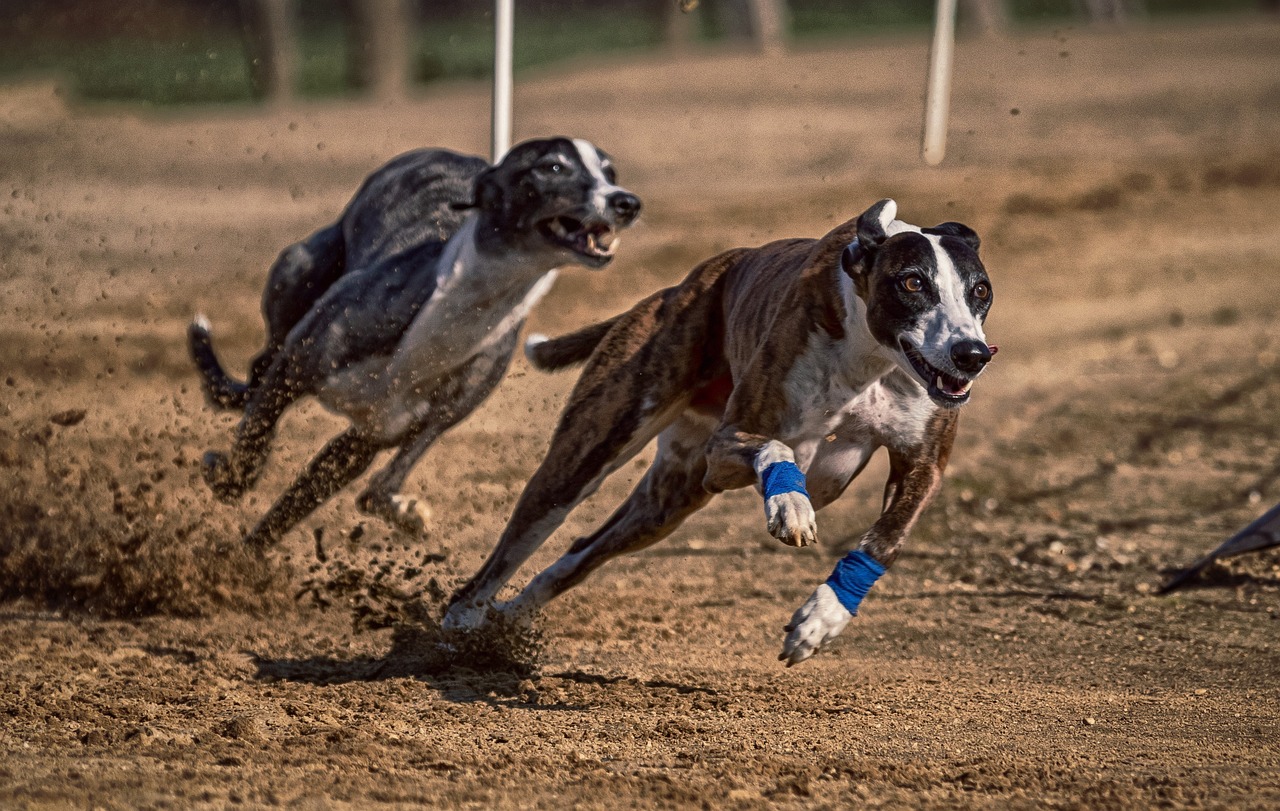
Behind every flash of speed on the racetrack, whether it be horse or greyhound, lies a meticulous regime of training, diet, and genetic selection that shapes these animals into champions. The journey from a young prospect to a racing legend is paved with the expertise of trainers, veterinarians, and a lineage bred for excellence. This exploration into the world of racing animal training will reveal the sophisticated blend of science and art that underpins the development of top-performing athletes in both horse and greyhound racing.
The Foundation: Genetics and Breeding
The quest for racing champions begins long before an animal sees a racetrack, rooted deeply in genetics and selective breeding. For horses, thoroughbred lineage is paramount, with pedigrees traced back to three foundational sires in the 18th century. Similarly, greyhounds are bred for speed, agility, and chase instinct, qualities essential for their performance on the track. Advanced genetic testing now plays a role in selecting the best breeding pairs, aiming to enhance desirable traits and minimise health risks, setting the stage for a potentially illustrious racing career.
Diet and Nutrition: Fuel for Champions
Nutrition is tailored to meet the demanding energy requirements of racing. For horses, this means a carefully balanced diet of forage, grains, and supplements to support muscle development and recovery, tailored to their training regime and metabolic needs. Greyhounds, on the other hand, require a high-protein diet to maintain lean muscle mass, often supplemented with raw meat, high-quality commercial food, and essential vitamins and minerals. Both require constant hydration, especially given their intense exercise routines.
Physical Training: Building Speed and Stamina
The physical training of racing animals is a carefully calibrated science. Horses undergo a variety of training exercises, including trotting, cantering, and sprinting, to build stamina, speed, and agility. Training regimens are meticulously planned to peak their performance for race days, with attention to avoiding overtraining and injury. Greyhounds, similarly, are trained for speed and endurance, with sprint exercises, lure chasing, and track trials. Their training also includes rest periods to recover and maintain peak physical condition.
Mental Conditioning: The Psychological Edge
Mental conditioning is as crucial as physical training. Horses are trained to handle the racetrack environment, including the starting gates, noise, and crowd presence, ensuring they remain focused and unphased during a race. Greyhounds are conditioned to chase the lure with unwavering focus and to navigate the track with intelligence. Trainers use a combination of repetition, positive reinforcement, and sometimes, technology-enhanced simulations to prepare their charges mentally for the challenges of racing.
The Role of Technology and Innovation
Technology plays an increasingly significant role in training racing animals. High-speed treadmills, swimming pools, and even cryotherapy are used to enhance physical conditioning and recovery. Wearable technology provides real-time data on heart rate, stride length, and overall fitness, allowing for precise adjustments to training programmes. Such innovations have revolutionised the preparation of racing animals, enabling trainers to achieve optimal performance while closely monitoring the well-being of their charges.
The Human Touch: The Trainer’s Role
At the heart of every champion is a relationship with a skilled trainer, whose expertise and intuition guide the animal through its development. Trainers must possess a deep understanding of the physical and psychological needs of their animals, recognising the subtle signs of stress, fatigue, or discomfort. Their role extends beyond training to include comprehensive care, ensuring that the animals are healthy, happy, and ready to compete.
Betting on Excellence
The rigorous training and care of racing animals not only aim to create champions but also to ensure the integrity and excitement of the sports themselves. For fans and bettors, understanding the complexities involved in preparing these animals for competition adds a layer of appreciation and engagement. Greyhound betting, for instance, becomes not just a wager on speed but an informed bet on the culmination of genetics, training, and the animal’s racing spirit.
Conclusion
Training racing animals is a complex interplay of science and art, demanding not just a mastery of physical training techniques but also an intuitive understanding of the animals’ mental and emotional needs. The journey from a promising youngster to a champion racer is a testament to the dedication and expertise of those who work behind the scenes, crafting the legends that captivate us on the racetrack. For fans and bettors alike, recognising the depth of preparation that goes into each race enhances the thrill of the sport, fostering a deeper respect for the remarkable athletes, both human and animal, that make racing a spectacle of speed and strategy.









Leave a Reply