

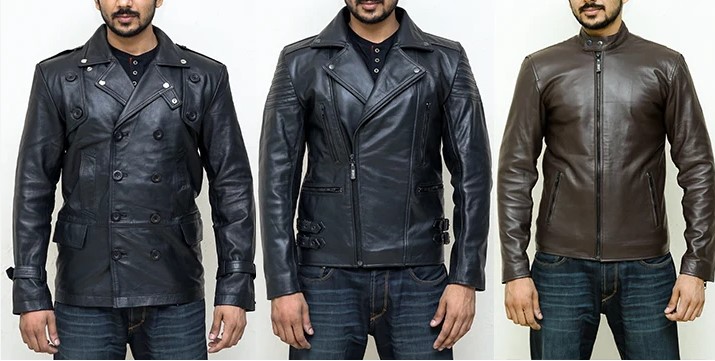
Few garments have survived nearly a century of shifting trends the way the leather jacket has. It has been worn by fighter pilots, factory workers, rebellious teenagers, rock stars, and business executives alike, yet it has never gone out of style.
That kind of staying power doesn’t happen by accident. The leather jacket earned its place in fashion history through decades of cultural moments, practical necessity, and a look that simply refuses to feel outdated.
This article traces that journey, from its early functional roots to the global style symbol it is today, and explains why so many men still consider a well-made leather jacket a wardrobe essential.
The Early Origins of the Leather Jacket
Long before it became a fashion statement, leather was chosen for one simple reason: it worked. Early aviators, motorcyclists, and military personnel needed clothing that could withstand wind, cold, and rough conditions, and leather delivered on all three.
Leather in Aviation
During the early 1900s, pilots flew in open cockpits with no protection from freezing temperatures at altitude. Heavy leather jackets with snug collars and cuffs became standard issue, designed purely for warmth and wind resistance rather than looks.
This practical need is where the aviator style was born, a design built around function first. Over time, that rugged, purpose-built shape became one of the most recognizable silhouettes in menswear, and it remains a favorite among people who want a jacket that feels both classic and genuinely useful. If you’re curious how that original design translates into modern wardrobes, a well-constructed jacket aviator leather style still carries the same balance of warmth, durability, and structure that made it famous in the first place.
Leather in the Military
World War I and World War II accelerated leather’s role even further. Bomber jackets, flight jackets, and heavy-duty coats were issued to soldiers and airmen across multiple countries, each variation refined slightly for climate and combat needs.
By the end of the 1940s, leather jackets weren’t just functional gear anymore. Returning soldiers brought them home, and the jackets started appearing in everyday civilian life.
The 1950s: Leather Becomes a Symbol of Rebellion
The leather jacket’s transformation from military gear to cultural icon happened almost overnight in the 1950s, largely thanks to Hollywood.
Films featuring young, brooding characters in leather jackets gave the garment an entirely new identity. It stopped being associated with soldiers and pilots and started representing independence, rebellion, and youthful defiance.
A few key shifts defined this era:
- Biker jackets with asymmetrical zippers became closely tied to motorcycle culture.
- Leather started appearing on stage with early rock and roll performers.
- The jacket became shorthand for a certain kind of confident, nonconformist attitude.
This decade planted the seeds for everything that followed. Leather was no longer just clothing; it had become a message.
The 1960s and 1970s: Counterculture and Rock and Roll
As music and fashion became more intertwined, leather jackets found a permanent home in rock culture. Bands used them as part of their visual identity, pairing rugged leather with denim, boots, and long hair to create a look that felt raw and authentic.
This period also saw leather jackets cross into punk and countercultural movements. The jacket’s association with rebellion only deepened, but it also started attracting a wider audience who simply liked the aesthetic, regardless of any subculture ties.
By the late 1970s, leather jackets had moved well beyond niche groups. They were showing up in mainstream fashion magazines, on everyday city streets, and eventually in high-end designer collections.
The 1980s: Leather Goes Mainstream
The 1980s pushed the leather jacket even further into pop culture. Music videos, action films, and celebrity style all leaned heavily on leather as a symbol of confidence and edge.
This decade also introduced more variety into leather jacket design. Instead of just biker and bomber styles, options expanded to include:
- Oversized, statement-making silhouettes
- Colored and metallic leather finishes
- Structured shoulder designs influenced by broader 80s fashion trends
Leather stopped being tied to one specific group or subculture. It became a flexible style choice that could fit rock stars, actors, and everyday consumers alike.
The 1990s to 2000s: Refinement and Versatility
As fashion moved into the 1990s and 2000s, leather jackets shifted toward a more refined, versatile identity. The oversized shapes of the previous decade gave way to slimmer cuts, cleaner lines, and more wearable everyday designs.
This era also saw leather jackets become a staple across multiple style categories:
- Casual streetwear paired leather with jeans and sneakers.
- Business-casual wardrobes incorporated cleaner, minimal-hardware leather jackets.
- Outdoor and utility-inspired fashion leaned on trucker and field jacket styles.
By this point, the leather jacket had firmly established itself as a wardrobe essential rather than a niche or trend-driven item.
Why the Leather Jacket Still Matters Today
What makes the leather jacket’s history so remarkable is that its appeal hasn’t faded with time. If anything, its long list of cultural associations. Military and rebellious, rock and roll, refined. gives it more depth than almost any other garment in a modern closet.
A few reasons the leather jacket remains relevant:
- It works across nearly every style category, from casual to smart-casual.
- Quality leather ages well, developing character rather than looking worn out.
- It carries decades of cultural meaning without feeling costume-like or dated.
- It pairs easily with existing wardrobe staples like denim, boots, and simple layering pieces.
For anyone shopping for a genuine leather jacket today, understanding this history adds real context to what you’re buying. It’s not just a jacket; it’s a piece of a much longer style story. Brands that focus on genuine materials and traditional construction, such as The Leather Coats, are often a good starting point for people who want a jacket rooted in that same tradition of durability and timeless design rather than a fast-fashion imitation.
How to Choose a Leather Jacket That Honors This Legacy
If the history of the leather jacket has taught us anything, it’s that the best pieces are the ones built with intention. A few practical tips for choosing wisely:
- Prioritize genuine leather. Full-grain and top-grain leather age better and last significantly longer than synthetic alternatives.
- Match the style to your lifestyle. Aviator styles suit colder climates, while bombers and truckers work well for everyday casual wear.
- Check the construction details. Reinforced stitching, quality zippers, and consistent grain are signs of a jacket built to last.
- Think long-term. A well-made leather jacket should be treated as an investment piece, not a seasonal trend purchase.
Choosing with these details in mind ensures your jacket doesn’t just look good today, but continues to earn its place in your closet for years to come.
FAQs
- When did leather jackets first become popular?
Leather jackets gained early popularity in the 1920s and 1930s among aviators and military personnel, then became a cultural symbol in the 1950s through film and youth culture.
- Why is the leather jacket associated with rebellion?
The association largely stems from 1950s films and rock and roll culture, where leather jackets were worn by characters and musicians who represented independence and nonconformity.
- What is the difference between a biker jacket and an aviator jacket?
A biker jacket features an asymmetrical zipper and a fitted, edgy silhouette, while an aviator jacket includes a shearling or fleece collar and a boxier, insulated build designed for warmth.
- Is a leather jacket still a good investment today?
Yes. Genuine leather jackets, especially full-grain or top-grain leather, tend to last for many years and often look better with age, making them a practical long-term wardrobe piece.
- How can I make sure I’m buying a genuine leather jacket?
Check the product description for leather type, inspect the stitching and grain consistency, and buy from brands that are transparent about their materials and construction process.
Conclusion
The leather jacket’s journey from military necessity to global fashion icon is a rare example of a garment earning its status through decades of genuine cultural relevance rather than fleeting trends. From frozen cockpits to rock and roll stages to modern city streets, it has continually adapted while staying true to its rugged, confident core.
If you’re thinking about adding one to your own wardrobe, it’s worth choosing a piece that reflects that same legacy of quality and craftsmanship, one built to last, not just to look good for a season.






Leave a Reply