


Someone once told me they saw a katana in a shop window. Polished wood, folded steel, a red ribbon tied to the handle. They asked if it was real. I said, “Define real.”
That’s the thing with katanas. You can find them in malls, movies, and online listings. They’re everywhere. But at the same time, the real the kind that carry something more than weight feel like ghosts. Hard to find. Easy to miss.
So are they rare?
Well, yes. And no.
Depends what kind you mean. Depends who you ask.
If you’re looking for numbers, we can talk about museums, licensed smiths, preserved pieces. But if you’re asking because something about them caught your attention the shape, the quiet, the feeling then I think you already know the answer.
Let’s look closer. Slowly. Like you would hold the sword itself. Carefully, and with both hands.
Not All Swords Are the Same
Walk into a tourist shop in Kyoto or Tokyo, and you’ll see a row of swords lined up like umbrellas. Some shine too much. Some have plastic parts. They are made to look the part, not play it.
These are souvenirs. They are not dangerous, and they are not sacred.
They are for photos, for display, maybe for fun. And they are everywhere.
Now go a few blocks away, down a quiet street. Sometimes there is a small workshop with a curtain in the doorway. Inside, someone bends over steel. The fire is steady. The room smells like ash and oil. That is where the difference begins.
Real katanas, the ones made by hand, are something else.
They are not stamped from molds. They are not rushed.
They take weeks. Or months. And not everyone is allowed to make them.
Japan has laws. Swordsmiths must train for years, pass strict tests, and follow ancient rules. You cannot just decide to make one on a Sunday.
The Ones That Truly Count

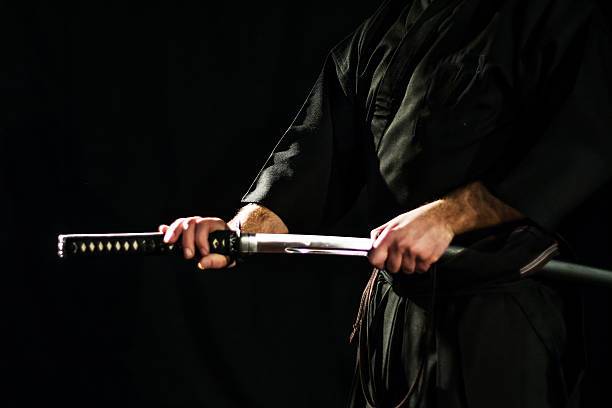
Some swords have names. They were carried by warlords, passed through families, and written into poems. Those blades are not just metal. They carry memory.
They were forged before electricity. Before cars. Before the modern calendar, even. And yet they survived. A few sit behind glass now, in museums. Others are held by shrines or kept by collectors. Very few are still in private hands.
If you were to list them all, it would not take long.
Maybe a few hundred old masterpieces still exist. Some are national treasures. Others are important cultural properties. Each one is tracked, studied, and protected.
Their rarity is not just in the count. It is in the care they require.
Polishing them is an art. Holding them, even for a minute, is a privilege. You do not swing these swords. You study them.
They are not rare because they are missing. They are rare because they still remain.
Why Rarity Is Not Always About Age
You might think that the older a katana is, the rarer it must be. That is true sometimes. But not always.
Some very old blades are still around because someone protected them. A monk wrapped one in cloth and hid it during a war. A blacksmith’s family passed it down for generations. A collector spent a lifetime keeping it safe from rust.
But time alone does not make a sword rare.
A newer sword, if made by a top smith, can also be unique. The design might be one of a kind. The way it was folded, polished, or engraved could set it apart forever. Maybe only one of those was ever made.
There are also swords with no known copies. Their lines, curves, and shapes do not match anything else. They do not fit into schools. They stand alone.
So rarity, in the world of katanas, is not always about age. It is about story, skill, and survival.
How Japan Keeps Track of Them

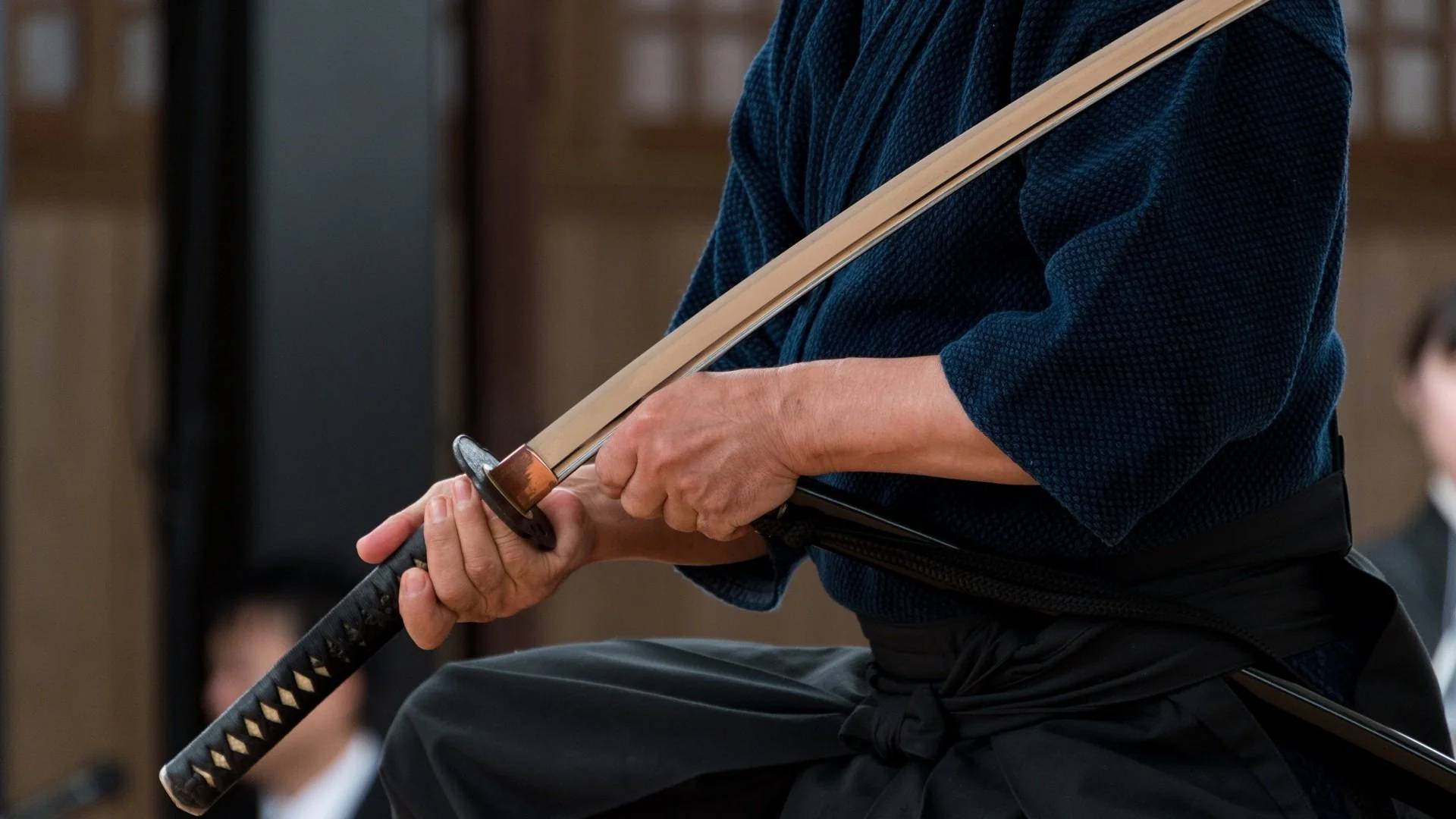
Japan takes its swords seriously. There is a system in place, and it runs deep.
If a sword is judged to be important, it gets a title. Some are called Important Cultural Properties. Others are named National Treasures. Each one has a record, a history, and usually a home.
You will not find these swords sold on websites or shown off casually. They are logged by museums or protected by families with long traditions. Their movement is watched. Their condition is checked.
Even the ones that are not famous often get registered.
Rarity Outside Japan
Once a sword leaves Japan, its story often becomes harder to trace.
Some were taken after wars. Others were sold or gifted long ago. Many ended up in basements, storage rooms, or attics. Their papers were lost. Their names were forgotten.
In some cases, a blade might still be sharp and whole. But without a signature or record, it is hard to know what it is. Even if it was once special, the history has slipped away.
Collectors outside Japan try to piece that history back together. They look for marks, patterns, and shapes that match known schools. Some succeed. Others are left with questions.
That is part of the reason some rare swords have been rediscovered not because they changed, but because someone finally looked closely.
Outside Japan, rarity often hides in silence.
So, Are Katanas Rare?
In numbers? No. You can find many. In shops. In homes. On auction pages. Even on walls where they are just decoration.
But real katanas, the kind with history and care those are different. They carry more than weight. They carry memory. They come from a time and a hand that shaped them with care.
The rare ones are not just hard to find but also to replace.
So, are katanas rare? Most are not. But the ones that matter? Yes. In all the ways that count.
Reports are attached on the next page



Leave a Reply