

Adventure is the new luxury. The new flex isn’t just the outfit or the passport stamp — it’s the story. And few stories shine brighter than standing on top of Mount Kilimanjaro, 5,895 metres above the clouds, watching the sunrise over Africa.
To climb Kilimanjaro is more than an adventure — it’s a transformation. You go up one person and come down another: stronger, calmer, and totally aware of what you’re capable of.
Strength, Style, and Self-Belief
Kilimanjaro isn’t just a mountain; it’s a metaphor for every time you’ve been told something was “too hard”. You don’t need ropes or climbing skills — just determination, good energy, and the right mindset.
Every step takes you through a new world: misty rainforest, golden moorland, icy summit. It’s as if the planet is cheering you on with a fresh aesthetic every day. And that moment at the top? It’s pure main-character energy — no filter required.
How Long Does It Take to Earn That Summit Selfie?
Everyone asks how long does it take to climb Kilimanjaro. Technically, you can do it in five days — but that’s rushing the glow-up. The real magic happens over seven to nine days, when your body adjusts, your confidence grows, and you actually get to enjoy the journey.
Altitude isn’t the enemy; impatience is. Going pole pole — “slowly, slowly,” as the locals say — keeps you steady and helps you vibe with the mountain’s rhythm.
Pick the Route That Fits Your Energy
Like fashion, your route says everything about your vibe.
The typical Machame and Umbwe routes? Busy, crowded, full of people chasing the same view. Pretty, but chaotic.
Then there’s Team Kilimanjaro’s TK Lemosho Route — the equivalent of a limited-edition drop. It’s quieter, more scenic, and designed to help you succeed. Instead of climbing up and down pointless hills (hello, wasted 401-metre ascent on the usual routes), you move strategically and calmly — conserving energy for the big moment.
And for those who want to go extra, there’s the Excel Extension: a night in the crater itself at 5,729 metres. Imagine sleeping in the clouds, surrounded by glaciers. It’s the definition of “above it all.”
When to Go for the Best Shot
The best time to climb Kilimanjaro depends on your mood — and your aesthetic.
January to March and June to October are clear, dry, and picture-perfect. Think golden light, open skies, flawless visibility.
But if you like drama — mist, mood, mystery — go for the rainy months (April–May, November). You’ll have the mountain practically to yourself, with cinematic clouds and soft, diffused light that photographers dream about.
Climb Smart, Live Well
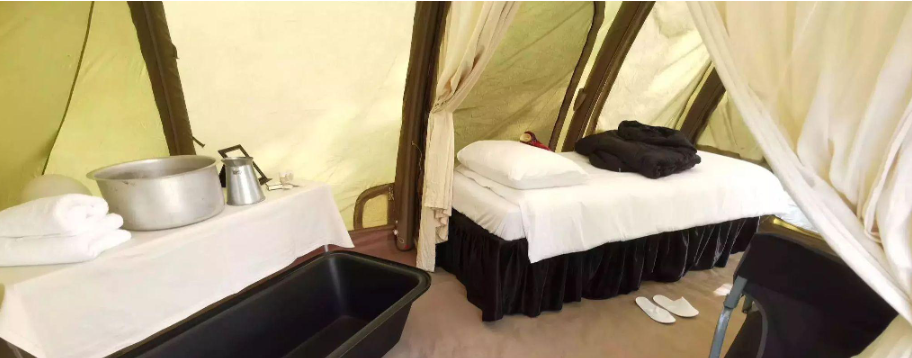
You don’t have to rough it to be a real adventurer. Team Kilimanjaro offers seven “support series,” so you can choose your own level of comfort.
Around 70% of climbers go for the Advantage Series, which hits the perfect balance — great food, private toilets, comfy tents, and strong Wi-Fi-free connection (with yourself and your team).
If you’re all about independence, there’s the Superlite Series, where you carry your own gear and prove your inner minimalist queen (or king).
And if you want the full VIP treatment — think fine dining above the clouds — there’s the Hemingway Series, the luxury choice for climbers who understand that elegance and endurance can coexist.
The Summit Moment
Summit night starts at midnight. The stars are fierce, the air is crisp, and you’re wrapped in layers that make you feel unstoppable. It’s dark, silent, and pure focus. Step by step, you move higher.
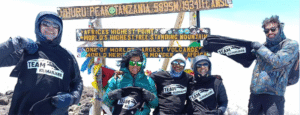
Then, just before dawn, the horizon catches fire. The glaciers blush pink and gold. When you reach the sign at Uhuru Peak — “freedom” in Swahili — the world opens beneath your feet. It’s not about ego; it’s about achievement. You realise that everything you’ve been building — resilience, mindset, purpose — has led to this.
It’s not just the altitude that takes your breath away.
Back Down, but Leveled Up
The descent feels lighter. You’re tired but electric. Every meal tastes better, every view sharper. You know you’ve earned something no one can fake.
Most climbers celebrate with a few days in Zanzibar or a safari in the Serengeti. But even if you go straight home, the confidence stays. Once you’ve stood that high, everyday problems look smaller — and opportunities feel endless.
Why Kilimanjaro Is the Ultimate Power Move
In a world obsessed with shortcuts and filters, Kilimanjaro rewards something rare: authenticity. It doesn’t care about status or hashtags — only effort.
To Kilimanjaro veterans, the mountain is more than a destination. It’s a reminder that confidence isn’t given; it’s earned, one step at a time.
So if you’ve been looking for the next thing to challenge, recharge, or redefine you — this is it. Pack your courage, your camera, and your conviction. Because at 5,895 metres, self-belief isn’t a slogan. It’s the air you breathe.













Leave a Reply