

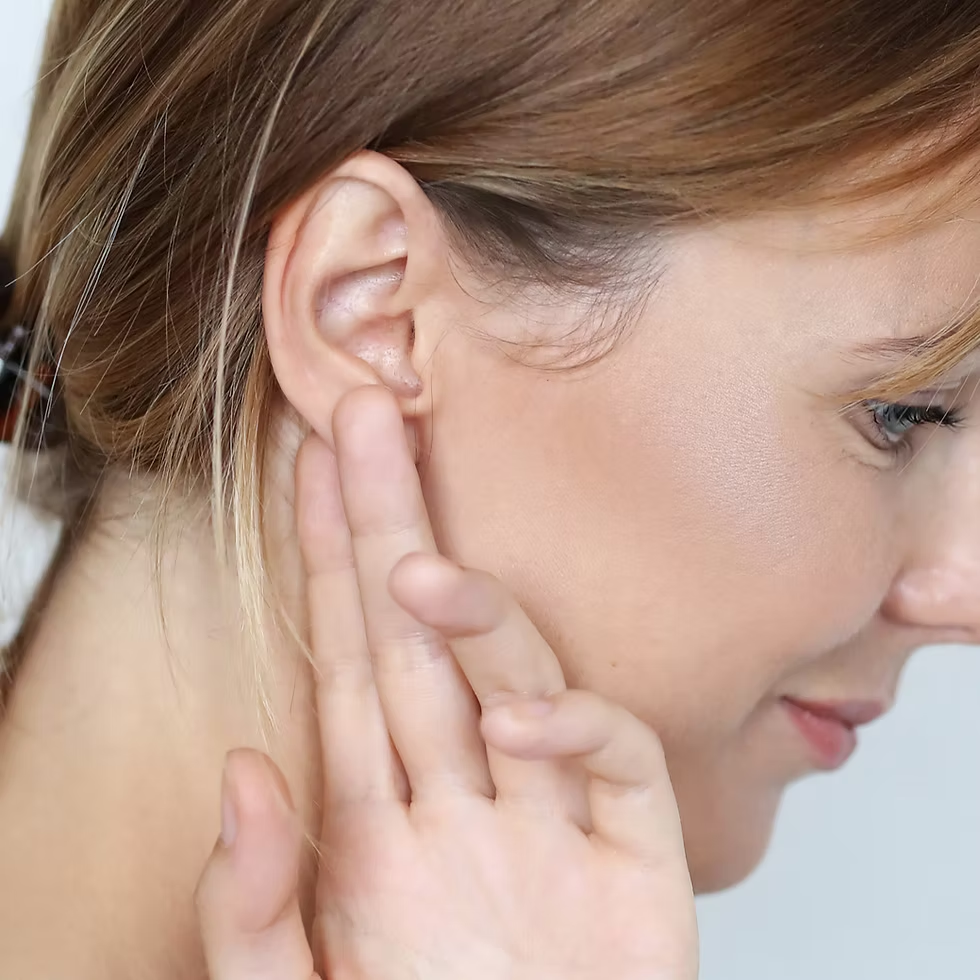
A lobotomy piercing is a unique ear piercing placed at the upper part of the earlobe, near where the ear meets the head. Its position gives it a distinct look that not many people have, making it a bold style choice. Because this piercing is in a delicate area, proper aftercare matters a lot to help it heal well and avoid infections or irritation.
Understanding Your Lobotomy Piercing
Anatomical Location and Significance
The lobotomy piercing is located through the thick, soft tissue of the upper earlobe, just below the cartilage fold. This spot is unique because it sits right where the earlobe transitions. Some say the name reflects the piercing’s “cutting-edge” spot compared to regular earlobes.
Jewelry Options and Material Importance
Common jewelry includes tiny studs, hoops, or small barbells that fit comfortably without putting pressure on the tissue. Choosing jewelry made of hypoallergenic materials like surgical steel or titanium is crucial. These metals reduce the chances of allergic reactions and promote healing. Avoid cheap or nickel-containing jewelry because they can cause irritation or infection.
Daily Aftercare Routine for Lobotomy Piercings
Cleaning Techniques and Products
A simple and effective cleaning routine is key. Use a sterile saline solution to gently rinse the piercing twice a day. Steer clear of harsh soaps, alcohol, or peroxide, which can dry out and irritate the area. You can use a clean cotton ball soaked in saline to dab around the piercing, but avoid twisting or spinning the jewelry, as this can slow healing.
Hygiene Practices and Handling Precautions
Before touching your piercing, always wash your hands thoroughly. Avoid fiddling with the jewelry or changing it too soon. Unnecessary handling increases the risk of bacteria entering the wound. Keeping your hands and the piercing clean helps your body focus on healing.
Precautions and Lifestyle Adjustments During Healing
Avoiding Contaminated Environments and Trauma
Stay away from pools, hot tubs, or lakes during healing since these places can harbor bacteria. Sleeping on the pierced side or wearing tight hats or headphones can irritate the area and delay recovery. Give your piercing room to breathe and avoid trauma to protect your new piercing.
Managing Discomfort and Monitoring Healing Progress
Some pain, redness, or mild swelling is normal at first. You can use a clean, cold compress to reduce swelling. Avoid ointments unless recommended by a professional. Watch out for excessive redness, warmth, or discharge, which could be signs of infection.
Recognizing and Handling Complications
Signs of Infection and When to Act
If you notice increasing redness, swelling, pus, or persistent pain, these are red flags. Seek advice from a piercing expert or healthcare provider promptly. Early treatment helps prevent serious issues.
Preventing Piercing Migration and Rejection
Proper jewelry choice and careful aftercare help avoid migration—when the piercing shifts out of place—or the body pushing the jewelry out (rejection). Don’t change jewelry prematurely or use heavy pieces that pull on your piercing.
Long-Term Care After Healing
When and How to Change Jewelry Safely
Wait until your piercing is completely healed (usually several months) before swapping jewelry. When ready, wash your hands, clean the area, and gently change the piece without forcing it. If you’re unsure, a professional piercer can assist.
Ongoing Care to Maintain Piercing Health
Even after healing, keep the piercing clean and avoid irritation from tight clothing or accessories. Regularly clean the jewelry and surrounding skin to maintain a healthy and attractive piercing over time.
Taking good care of your lobotomy piercing means enjoying it without problems. For detailed care tips about body piercings, our website offers reliable advice. Also, use safe, solid aftercare routines to keep any new body piercing healthy.
Caring for your lobotomy piercing with patience and care will ensure it looks great and stays infection-free. If you notice anything unusual, consulting a professional is the best step to keep your piercing in top shape.













Leave a Reply