


We’re not great at missing out. We’ll ignore something for weeks, mock it, swear it’s not for us, until suddenly it’s everywhere. Then we’re downloading the app at 2 a.m., watching tutorials, convinced we’re already behind. That’s FOMO. And the internet has turned it into a science.
Dopamine by Design
Let’s talk about what’s actually happening in your brain when you refresh your feed many times per day. It’s the same mechanism that keeps people glued to games. Social media designers studied their psychology and applied it to your phone.
This can be likened to how casinos use variable ratio reinforcement. You win unpredictably. And that randomness makes that experience fun. Your brain doesn’t release dopamine when you win; it releases it when you think you might win. Additionally, top online casino platforms track your behaviour, adjust the experience, and celebrate tiny wins to keep you engaged.
Now look at TikTok. Scrolling is the ‘in’ thing there. Perfect video, tailored to your humour. You never know when the gold will hit, so you keep swiping. That’s dopamine, not from satisfaction, but from anticipation. Instagram does it with likes. Twitter with viral tweets. You post, hoping this one takes off. Sometimes it does. Most times it doesn’t. But the possibility keeps you coming back.
This is engineered. The platforms are built like casinos, unpredictable rewards, near-misses, and just enough payoff to keep you chasing the next hit.
Why Trends Feel Personal
Every trend is a test. Are you in or out? Do you get it or not? Are you still relevant? Using the right slang proves you’re current. Knowing the meme shows you’re online enough. Doing the challenge signals you’re fun. Missing it might mean you’re boring, out of touch, or invisible.
FOMO hits harder when it’s tied to identity. It’s not just missing a moment, it’s missing a chance to show who you are. Or worse, accidentally showing who you’re not. And we’re all performing constantly. Every post is a curated version of oneself. Every trend we join or skip is a signal. The pressure never stops, because the performance never ends.
Why Trends Feel Urgent
Remember when trends lasted long enough to think about them? That’s over. Now, a trend can rise, peak, and die in 48 hours. By the time you hear about it, it’s already passé.
This is an algorithm working in the background. Platforms thrive on novelty. They push new content fast, suppress it just as quickly, and create artificial urgency. It’s the same psychology as flash sales: act now or miss out forever.
The speed makes everything feel critical. Missing out feels like falling behind in a race you didn’t know you were running.
What It’s Doing to Us

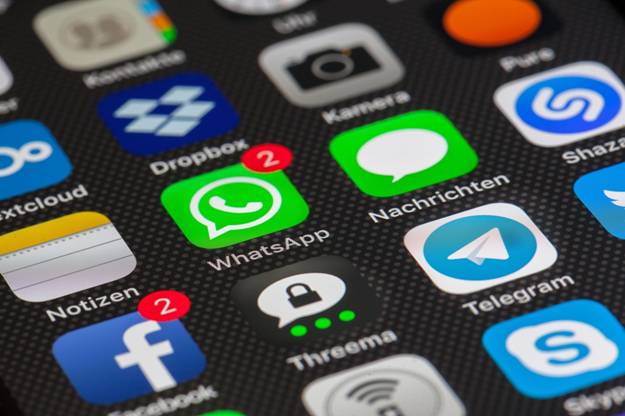
We’re tired. We’re anxious. We’re constantly comparing ourselves to impossible standards. The average person spends 2.5 hours a day on social media. That’s 2.5 hours of engagement, identity performance, and trend chasing. No wonder we feel behind, inadequate, and overwhelmed.
This is fueling a mental health crisis. Anxiety and depression are rising among heavy social media users. We’re more connected than ever and lonelier than ever.
Because real life doesn’t move at internet speed, real relationships don’t follow algorithmic cycles. Real identity isn’t built through trend participation.
But we’ve forgotten what normal feels like. Taking a break feels like disappearing. Not posting feels like giving up. We know it’s hurting us, but the fear of being forgotten feels worse.
So we stay in the machine. Creating, consuming, performing, and hoping this time we’ll feel caught up
How to Reclaim Your Online Life
Start by noticing what’s happening. Your urge to join every trend isn’t a weakness; it’s a response to engineered pressure.
Ask yourself: Do I care about this trend, or am I just afraid to miss it? If it’s fear, let it pass. Notice that nothing bad happens when you don’t join. Set boundaries. Check trends once a day. Wait 24 hours before jumping in. Skip every other trend just to prove you can.
Follow people who move slowly, who post what they love, not what’s viral.
Practice being late. Join trends after they peak. Post about things nobody’s talking about. Feel what it’s like to be “behind,” and realize you’re still here.















Leave a Reply