The world of interior design trends 2025 is full of warmth, comfort, and character. Today’s homes reflect deeper values—sustainability, wellness, and authentic living. These new styles are more than aesthetics; they mirror how people want to live, rest, and connect. You’ll explore what’s rising, what’s fading, and how to bring these ideas into your own home with ease and purpose.
1. What’s Driving Change in Interior Design
Interior design doesn’t shift by accident. It evolves with culture, economics, and human needs. Homeownership is changing. Many people now share spaces with family or work remotely, so homes must be functional and personal. The sustainability and wellness movement has also grown stronger. Homeowners want ethical, toxin-free materials, soft lighting, and natural air flow to create balance and calm.Technology plays a huge role too. Smart surfaces, lighting, and sound systems make daily living easier while maintaining beauty. Lastly, minimalism is giving way to warmth. The sterile, all-white look is fading. People crave rooms that tell a story—layered with color, texture, and life.
2. Major Trends for 2025-26
1. Warm, Earthy Color Palettes & Bold Drenching
In 2025, earthy tones rule. Shades like mocha, terracotta, olive, and deep greens create cozy, grounded spaces. This shift comes from the need for comfort in uncertain times. Designers are using color drenching—painting walls, trims, and ceilings in the same hue—to wrap rooms in warmth.You can embrace this trend by painting a feature wall, choosing rich-toned furniture, or layering soft textiles in similar tones. This palette adds depth and creates a retreat-like feel.
2. Natural Materials & Tactile Richness
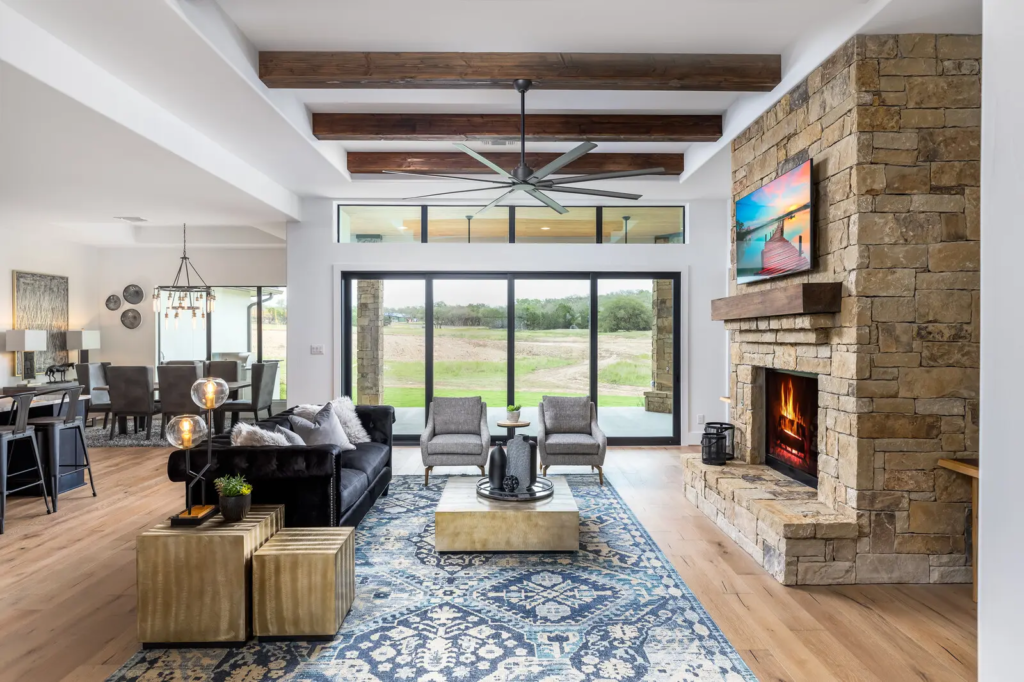
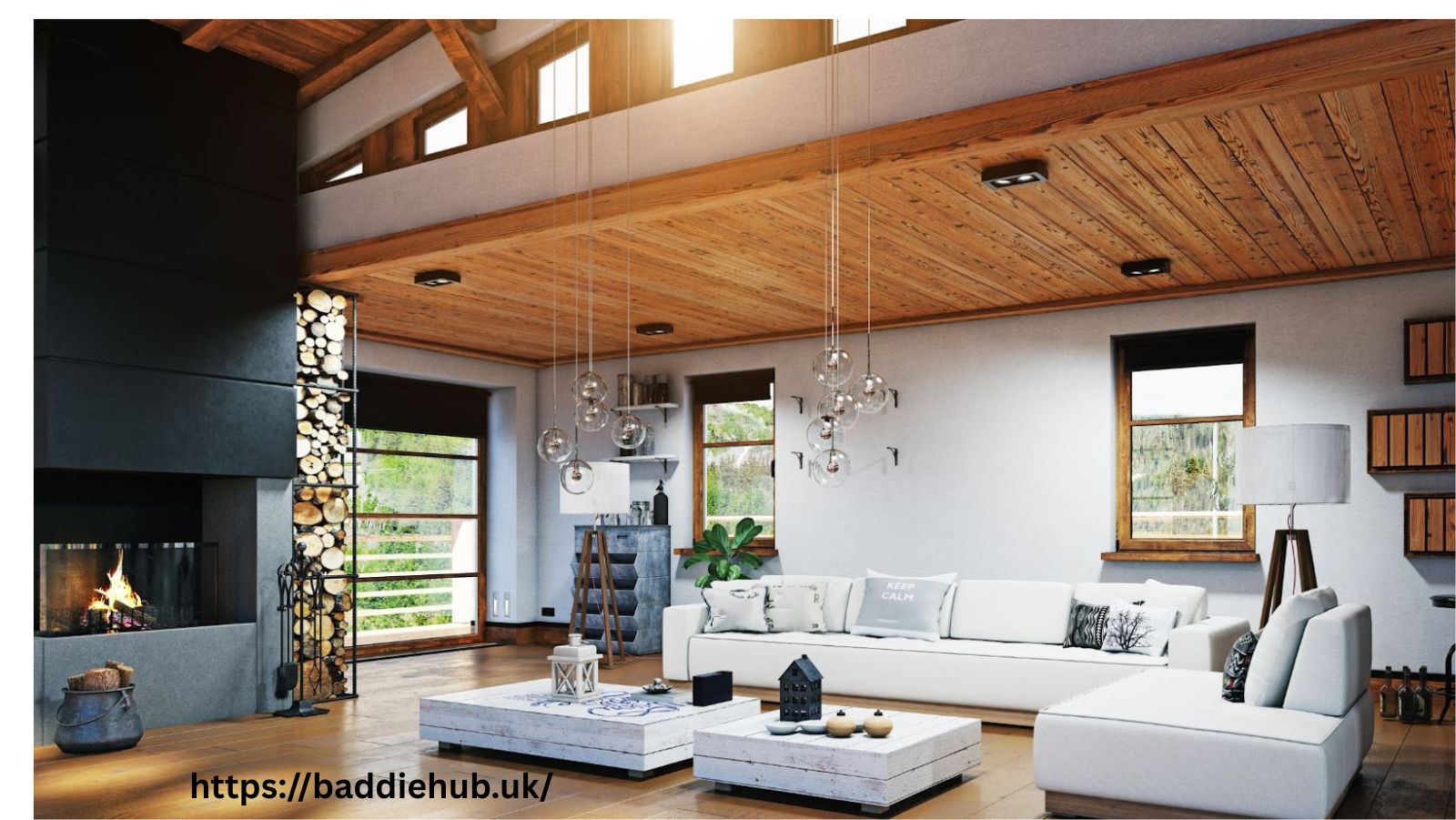
Homes are turning toward natural materials—walnut, oak, marble, raffia, and clay. These textures add life and authenticity. Smooth, glossy surfaces are losing appeal; texture brings warmth and character.If you want to refresh your space, try replacing synthetic finishes with organic ones. Add a woven rug, a marble tabletop, or wooden cabinetry. The goal is to feel the design as much as see it.
Material
Design Use
Sustainability
Walnut Wood
Furniture & Flooring
Long-lasting
Marble
Countertops
Natural Stone
Raffia
Lighting & Accessories
Renewable
Clay
Décor & Tiles
Eco-friendly
3. Sustainability, Craftsmanship & Slow Design
In 2025, slow design dominates. It’s about quality over quantity. Homeowners are investing in furniture that lasts decades, not seasons. Reclaimed wood, handmade ceramics, and recycled fabrics are preferred over mass production.Sustainability isn’t just a buzzword—it’s a lifestyle. When you choose items with a story, you reduce waste and build emotional connection. The charm of craftsmanship brings a personality that factory-made pieces can’t replicate.
The era of sterile minimalism is over. Textured walls, patterned tiles, and maximalist details are taking center stage. Designers are experimenting with bold wallpapers, fluted wood, and layered materials to create visual interest.If your space feels flat, add depth through wall finishes or patterned upholstery. A mix of prints and surfaces can give your room character and warmth. It’s about expressing who you are, not following rules.
5. Biophilic Design & Connection to Nature
Biophilic design continues to grow in 2025. People crave nature indoors. Plants, daylight, and organic forms improve air quality and mental well-being. Curved furniture and large windows soften spaces and connect the indoors with the outdoors.You can adopt this trend by adding greenery, using natural fabrics, and maximizing sunlight. Even small touches—like bamboo blinds or terracotta planters—can make a big impact.
Element
Purpose
Benefit
Indoor Plants
Air Quality
Calming Effect
Natural Light
Energy Efficiency
Mood Enhancement
Organic Shapes
Design Flow
Soothing Atmosphere
6.Vintage & Nostalgic Revival
Old is new again. Vintage and nostalgic design from the ’20s, ’30s, and ’80s is making a stylish comeback. These styles bring history and charm into modern homes. People are rejecting cookie-cutter looks for individuality.Try mixing a vintage lamp with a sleek sofa or an art deco mirror with a minimalist wall. The magic lies in contrast—old meeting new in perfect harmony.
7. Tech-Infused Smart Environments
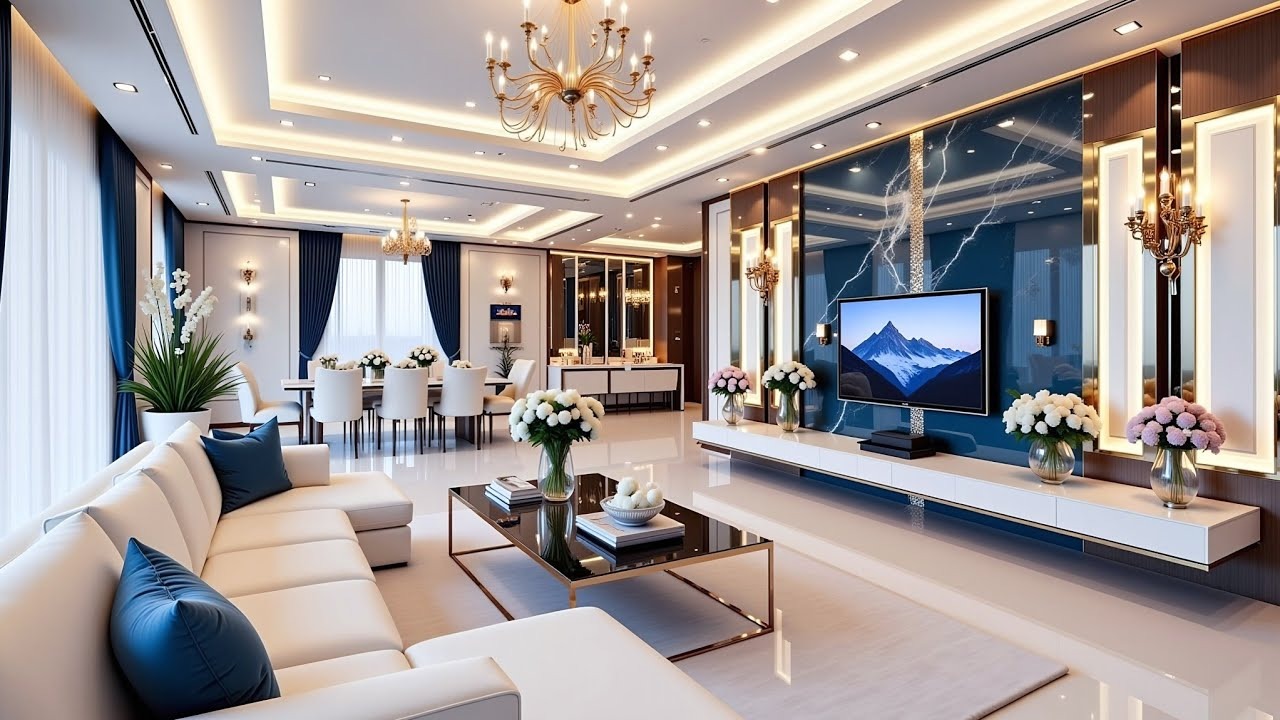
Technology meets beauty in 2025 interior design trends. Smart homes now include hidden chargers, touch-free switches, and adaptive lighting. Metallic and reflective finishes add futuristic flair without losing warmth.Smart design is no longer cold or robotic—it’s intuitive and stylish. Consider smart bulbs that shift color temperature or sleek charging tables that blend tech and art.
3. Trends That Are Fading
Some trends have reached their limit. Ultra-minimalism—all-white walls and perfect symmetry—feels lifeless. Instead, people want personality. Light woods and shiny brass are fading too, replaced by darker woods and mixed metals.Open shelving in kitchens is also losing favor. Dust, clutter, and practicality push homeowners toward partial or closed storage. Finally, “anti-trend” design—avoiding trends just to be different—is no longer appealing. Balance matters more than rebellion.
4. How to Apply These Trends
Updating your home doesn’t mean a full renovation. Start with a quick audit. Notice outdated colors, finishes, or furniture. Replace what feels flat with textured or sustainable alternatives.If you’re on a budget, change your textiles, paint a wall, or update lighting. Bigger budgets can explore statement furniture or architectural features. Always mix trendy pieces with timeless ones to create balance.
Budget
Small Update
Major Upgrade
Low
Repaint, add plants
Swap rugs or lighting
Medium
Replace chairs, drapes
Add textured walls
High
Redesign layout
Invest in sustainable furniture
When applying trends, consider local context. For warm climates like South Asia, focus on natural ventilation, airy fabrics, and cooling tones. For colder regions, rich colors and layered materials create warmth.
5. Case Studies & Real-World Examples
In Lahore, one designer transformed a compact apartment using earthy tones and biophilic elements. Walls in clay brown, rattan furniture, and potted plants turned it into a calm retreat. A small change—like switching plastic surfaces to wood—made the space feel alive.In contrast, a luxury home in Dubai embraced smart technology and vintage design. Touch-controlled lights merged with art deco mirrors, proving that technology and nostalgia can coexist. Each choice had purpose—comfort, efficiency, and identity.
6. Forecast: Beyond 2025
After 2025, the design world will lean toward deep personalization. Homes will mirror their owners’ values more than trends. Expect a blend of extreme maximalism, hybrid living-work zones, and adaptable spaces.Sustainability will become non-negotiable. Designers will explore biodegradable materials, 3D-printed furniture, and circular design systems. The future home will be both smart and soulful—tech-driven yet emotionally rich.
Conclusion
The interior design trends 2025 redefine how we live. From warm earthy tones to biophilic design and sustainable craftsmanship, every choice reflects balance and intention. Let your home tell your story. Start small—update a wall color or add texture. Avoid lifeless minimalism and embrace spaces that feel real, not just picture-perfect. Design isn’t just what you see. It’s how you live in it.
FAQs
1. What are the top interior design trends for 2025? The key trends include earthy colors, natural textures, sustainable design, biophilic elements, and smart technology integration.2. How can I make my home more sustainable? Use reclaimed materials, buy quality over quantity, and choose energy-efficient lighting and appliances.3. Are minimalistic designs out of style? Not entirely, but sterile minimalism is fading. People now prefer warm minimalism with texture and color.4. What colors will dominate 2025 interiors? Expect warm browns, olive greens, rust tones, and deep neutrals—colors that evoke comfort and depth.5. How do I balance trends and timeless design?
Combine trendy accents with classic furniture and neutral bases. That way, your space stays stylish without aging fast.
Backlinks Hub
Website:
Backlinks Hub highly experienced SEO Team with over 4 years of experience. WE are working as contributors on 1000+ reputable blog sites. If You Need Guest Post and Our Seo Services Contact
WhatsApp: +923221591072










Leave a Reply