

For years, minimalism set the tone in residential design – white walls, clean lines, restrained palettes. In 2025 a shift is underway. Homeowners are rediscovering the pleasure of colour, ornament and layered texture. Rococo and maximalism, once dismissed as excessive, are returning as intelligent ways to express character and create comfort. When handled with care, these styles feel purposeful rather than cluttered, enriching the architecture instead of competing with it.
Why these styles make sense now
After a decade of pared-back rooms, many households are seeking warmth, narrative and tactility. Rococo and maximalism invite storytelling through pattern, art and collected objects. Crucially, they do not prescribe more of everything. They reward curation – a hierarchy of focal points, balanced palettes, and a rhythm of quiet and bold surfaces. Lived-in elegance replaces showroom minimalism, and rooms feel generous rather than sparse.
Rococo today – playful precision
Historically, Rococo celebrated asymmetry, curve and delicate detail. In contemporary homes, it reads as softness and grace. Ceiling roses, cornices and curved wall panelling can sit comfortably alongside modern materials such as fine metalwork, honed stone and smooth plaster. The key is contrast. Classic mouldings paired with minimal cabinetry, or a gilded mirror set against a calm limewashed wall, allow detail to sing without overwhelming the room. Scale matters too – slimmer profiles and simplified motifs keep things refined while preserving the spirit of the style.
Purposeful maximalism
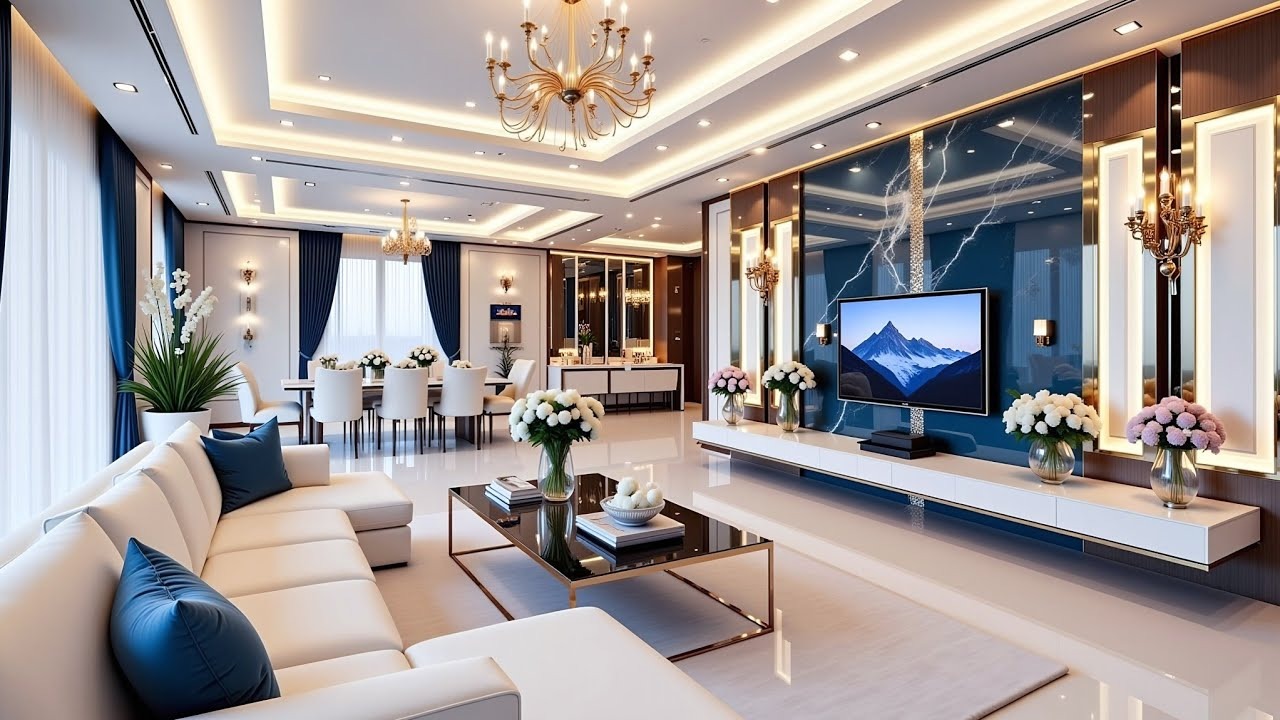
Maximalism in architecture is not a licence for excess – it is expression with intention. Think generous colour, layered textiles and confident art, supported by a clear plan. The studio often helps clients identify a single anchor – a staircase, a fireplace surround, a piece of art – and build a scheme around it. Deep tones on walls can ground a room; patterned rugs and upholstery add movement; display shelving offers places for collections while keeping circulation uncluttered. The result is discovery, not chaos.
An architectural framework for richness
Bold interiors thrive when the underlying architecture is disciplined. Symmetry where appropriate, clear sightlines and considered junctions help hold richness with clarity. Reinstating cornices, refining architraves, or designing arched transitions can give rooms the composure needed to carry ornament. Zoning through flooring or ceiling treatment guides movement and frames moments of detail. Bespoke joinery anchors visual complexity and provides discreet storage so that layers remain intentional, not messy.
Lighting is equally important. Layered schemes – ambient wash, task light and accent light – reveal texture and depth without glare. Daylight studies and 3D visualisations help anticipate how colour and pattern will read across the day. Mirrors can amplify both light and ornament, but should be placed to enhance sightlines rather than create distraction.
Materials, colour and comfort
Rococo and maximalism reward materiality. Tactile textiles, figured timber, veined stone and hand-made tiles bring nuance that flat finishes cannot deliver. Balanced palettes prevent fatigue – one dominant hue, one supporting tone, and natural materials as a quiet constant. In compact London rooms, mid-tone floors hide wear better than extremes, and soft sheens on paint can keep colours lively without glare. Acoustically, layered fabrics and rugs temper echo and make richly decorated rooms feel calm. Hardware matters too – patinated brass, cut glass pulls and fine hinges add touchpoints that reinforce the overall language.
Where to begin
Start with the bones. Confirm the layout, proportions and storage first – ornament should arrive once the architecture is settled. Decide on a focal point, then build a measured hierarchy of detail around it. Edit collections so that each piece earns its place. Aim for rooms that invite use – comfortable seating heights, durable surfaces, thoughtful lighting. Elegance should support everyday life. For projects that include extensions or refurbishments, align new work with the home’s rhythm so that period detail and modern insertions read as one composition.Rococo and maximalism are not passing trends. They are reminders that comfort can be ornate and that homes should delight as much as they perform. For homeowners who want expressive interiors held together by strong architectural thinking, Armstrong Simmonds Architects recommends a structure-first approach – establish proportion, sightlines and light, then layer colour, pattern and texture with intent. To explore how this philosophy can be tailored to a specific brief, visit https://www.as-architects.co.uk/ and consider how refined architecture can make even the boldest interiors feel coherent, timeless and personal.














Leave a Reply