


The rise of AI-powered creative tools has dramatically lowered the barrier to visual storytelling. Comics, in particular, have become one of the most exciting fields for AI innovation. Instead of relying entirely on drawing skills and time-consuming workflows, creators can now use an AI Comic Generator to transform ideas into visual narratives with speed and flexibility.
As the market grows, creators are often faced with a difficult choice: which AI Comic Generator truly fits their creative needs? Two tools frequently mentioned in anime- and comic-focused communities are Anifun AI and Anifusion. Both position themselves as solutions for AI-assisted comic creation, but they differ significantly in philosophy, feature depth, and user experience.
This article provides a detailed comparison of Anifun AI vs Anifusion, examining their strengths, weaknesses, and ideal use cases. By evaluating each AI Comic Generator from a practical creator’s perspective, this guide aims to help you decide which tool aligns better with your goals—whether you are a beginner, a hobbyist, or a long-term comic storyteller.
Feature Overview: Anifun AI Comic Generator vs Anifusion
Anifun AI Comic Generator: Narrative-Oriented Comic Creation
Anifun AI Comic Generator is designed primarily around structured comic storytelling. Instead of focusing on isolated images, Anifun emphasizes panels, scenes, and narrative continuity. Users describe story ideas, characters, and scenes in text form, and the AI generates comic-style visuals that reflect storytelling logic.
Key feature characteristics of Anifun AI Comic Generator include:
- Panel-based comic generation rather than single illustrations
- Support for character consistency across multiple scenes
- Strong focus on storytelling flow and long-form comic creation
- Beginner-friendly interface centered on natural language prompts
- Suitable for storybooks, webcomics, educational comics, and serialized narratives
Anifun positions itself as a creative assistant for building complete comic stories, not just generating visual artwork.
Anifusion: Image-Centric Anime and Comic Generation
Anifusion approaches AI-assisted creativity from a more image-centric perspective. While it supports anime- and comic-style visuals, its primary strength lies in generating highly stylized images based on prompts, presets, or models. Users often treat Anifusion as a powerful visual generation tool rather than a structured storytelling platform.
Key feature characteristics of Anifusion include:
- Strong anime-style visual output
- Fine-grained control over artistic styles and aesthetics
- Emphasis on image quality and visual detail
- Better suited for single illustrations or concept art
- Less structured support for long-form comic narratives
Anifusion appeals particularly to creators who prioritize visual style and artistic detail over story sequencing.
Anifun AI vs Anifusion: Strengths and Limitations in Comic Creation
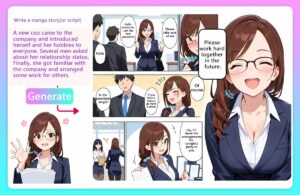
Make comic from simple text with Anifun AI
Storytelling Structure and Narrative Flow
When it comes to storytelling, Anifun AI Comic Generator has a clear advantage. It is built specifically to support narrative flow, allowing creators to generate panels that logically follow one another. This makes it easier to plan scenes, manage pacing, and build complete comic stories.
Anifusion, while capable of producing beautiful visuals, does not inherently guide users through narrative structure. Each image is typically generated independently, which can make it harder to maintain consistent storytelling across multiple panels.
Character Consistency
Character consistency is essential for comics. Readers expect characters to look recognizable from panel to panel. Anifun AI Comic Generator supports this need by encouraging creators to reuse descriptive prompts for characters, which helps maintain visual stability across scenes.
Anifusion excels in character design quality, but consistency across multiple generations can be difficult. Minor changes in prompts or settings may lead to noticeable visual differences, making it less reliable for extended comic storytelling.
Creative Flexibility
Anifusion offers strong flexibility at the image level. Creators can fine-tune styles, lighting, and aesthetics to achieve specific visual goals. This makes it ideal for concept art, covers, or standalone illustrations.
Anifun AI Comic Generator offers flexibility at the story level. While individual panels may have slightly less granular aesthetic control, creators gain greater freedom in shaping narratives, scenes, and long-term story arcs.
Scalability for Long-Form Comics
For creators planning multi-chapter comics, scalability matters. Anifun AI Comic Generator is better suited for long-form projects because it supports sequential creation and narrative consistency.
Anifusion, on the other hand, scales better for producing large numbers of individual images rather than connected comic pages. Long-form storytelling may require additional manual organization.
Learning Curve
Anifun AI Comic Generator is approachable for beginners who think in stories rather than visual parameters. Writing scene descriptions feels intuitive, even for users with no art background.
Anifusion often requires more experimentation with prompts, settings, and style parameters. While powerful, it may feel overwhelming to beginners focused on storytelling rather than visual fine-tuning.
Limitations to Consider
Anifun’s main limitation is that creators seeking ultra-precise visual control may find it less detailed compared to Anifusion. Meanwhile, Anifusion’s limitation lies in its weaker support for narrative continuity. Both tools excel in different areas, and understanding these limits helps avoid mismatched expectations.
Gameplay, User Experience, and Pricing Comparison
Creative “Gameplay” and Interaction Style
Anifun AI Comic Generator feels like a story-driven game. Users progress scene by scene, refining narrative ideas and watching stories unfold visually. This makes the creative process engaging and rewarding for storytellers.
Anifusion feels more like an artistic sandbox. Users experiment with styles, prompts, and visuals to achieve striking imagery. The experience is highly visual but less narrative-focused.
User Experience and Interface
Anifun’s interface is optimized for text-based creativity. The workflow is straightforward and beginner-friendly, allowing users to focus on story creation without technical distractions.
Anifusion’s interface prioritizes visual control and customization. While powerful, it may require more time to master, especially for users unfamiliar with AI image generation.
Pricing and Cost Efficiency
Anifun AI Comic Generator generally offers strong value for creators interested in comic storytelling over time. Its pricing structure aligns well with users who generate multiple panels and scenes for narrative projects.
Anifusion often appeals to users who want high-quality visuals and are willing to pay for stylistic control. For long-term comic projects, costs may increase depending on usage.
Long-Term Creative Growth
Anifun supports creative growth through storytelling practice. As users improve prompt writing and narrative structure, output quality improves naturally.
Anifusion supports artistic growth at the visual level. Users refine style control and aesthetic judgment, but storytelling development requires additional tools or manual effort.
Conclusion: Choosing the Right AI Comic Generator for Your Goals
When comparing Anifun AI vs Anifusion, the better choice depends on what you want to create. Anifusion excels as a visually powerful image-generation tool, ideal for high-quality anime-style illustrations and concept art. However, for creators who care about narrative flow, character consistency, and building complete comic stories, Anifun AI Comic Generator offers a more balanced and story-centric solution.
By focusing on structured storytelling rather than isolated images, Anifun positions itself as a more suitable AI Comic Generator for long-form comic creation and beginners who want to grow as storytellers. Ultimately, both tools have value—but understanding their strengths helps you choose the one that best supports your creative journey.













Leave a Reply