

OLED screens are famous for their perfect blacks and amazing colors. But you might have heard about “burn-in” and wonder if they last. This article looks at the real lifespan of OLED panels and if you should be worried.
What is OLED Burn-In?
Burn-in is a permanent discoloration on a screen. It happens when a static image (like a news ticker, a logo, or a taskbar) is left on the screen for a very, very long time.
The pixels that show the bright, static element wear out faster than the pixels around them. This creates a faint, permanent ghost image that you can see even when the screen changes.
It’s not a problem for most people. It takes thousands of hours of the same static image to cause permanent burn-in.
Modern OLEDs Are Much Better
This is the most important point. Older OLED TVs had more burn-in issues. Technology has improved a lot.
Newer OLED monitor models have many built-in features to fight burn-in:
Pixel Shifting: The screen moves the image slightly every so often. You don’t notice it, but it prevents static pixels from wearing out in the same spot.
Pixel Refresher: The monitor runs a short maintenance cycle when you turn it off. It checks the pixels and gently balances them out.
Screen Savers: Modern monitors are smart. They will dim quickly or show a screensaver if they detect no movement.
Because of these features, burn-in is much less common than it used to be.
How Long Do OLED Monitors Actually Last?
Manufacturers rate OLED panels for a lifespan of around 30,000 to 100,000 hours.
What does that mean?
30,000 hours is about 10 years if you use the monitor for 8 hours every single day.
100,000 hours is over 30 years of use at 8 hours per day.
For most users, the monitor will become outdated long before the OLED panel wears out. You will likely want to upgrade for new features long before the screen dies.
Who Should Be Careful?
For the average user, burn-in is not a big concern. But some people should take extra care.
Hardcore Gamers: If you play one game for thousands of hours, the static HUD (heads-up display) elements could eventually cause issues.
Stock Traders: If you have a screen with static graphs and tickers running 24/7, an OLED is not the best choice.
Desktop Users with Static Taskbars: If you leave your bright Windows taskbar visible for 8+ hours a day, every day, for years, there is a small risk.
Even for these users, the built-in protection features do a very good job.
What About Flexible OLEDs?
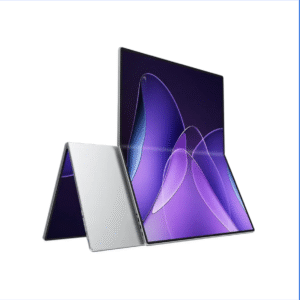
A flexible oled monitor uses the same basic technology. The flexible nature doesn’t make it more or less prone to burn-in. The same rules apply. The built-in protections are just as important.
How to Protect Your OLED Monitor
You can help your monitor last even longer with simple habits.
Use Dark Mode: This is the easiest thing to do. Dark themes use fewer bright pixels, which reduces wear.
Hide Your Taskbar: Set your computer’s taskbar to auto-hide.
Use Screensavers: Don’t leave a static image on the screen for long periods if you walk away.
Vary Your Content: Don’t use the same application with the same static UI for thousands of hours without a break. Mix up your activities.
Frequently Asked Questions
Q: Is burn-in covered under warranty?
Usually, no. Most standard warranties do not cover burn-in because it is considered user-induced damage from improper use.
Q: Can burn-in be fixed?
Sometimes. Temporary image retention can go away on its own. Permanent burn-in cannot be reversed.
Q: Should I avoid OLED for productivity work?
Not necessarily. For general use like writing, coding, and web browsing, the risk is very low. Just use dark mode and take basic precautions.
Q: Are there any signs of aging before burn-in?
All screens slowly get dimmer over thousands of hours of use. This is normal for any technology, including LCDs.
Q: How does brightness affect lifespan?
Higher brightness settings make the pixels work harder, which can slightly accelerate aging. Using a comfortable, not excessively high, brightness level is better for longevity.
The Bottom Line
For most people, the lifespan of a modern OLED monitor is not a real concern. The fear of burn-in is often outdated.
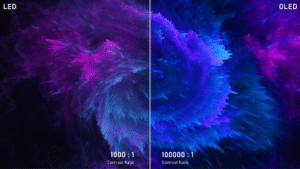
The incredible picture quality—perfect blacks, infinite contrast, and fast response times—far outweighs the small risk for the vast majority of users.
You should buy an OLED monitor for the best image quality available today. Use it normally and enjoy it. The built-in protections will do their job, and your monitor will likely last for many years without any issues.











Leave a Reply