

In the world of IT infrastructure, performance visibility and proactive alerting are not just helpful—they are mission-critical. Whether managing a small e-commerce platform, a corporate network, or a fleet of cloud servers, understanding the real-time health and performance of every component is essential to maintaining uptime. This need is precisely what Zabbix was designed to fulfill. However, for Zabbix to function reliably as a 24/7 monitoring hub, it requires a dedicated and stable environment. This is where a zabbix server deployed on a Virtual Private Server (VPS) offers a superior and necessary solution.
What is a Zabbix Server and what are its core functions?
Zabbix is an open-source, enterprise-class monitoring software solution designed to monitor a vast array of IT components, including networks, servers, virtual machines, applications, databases, and even cloud services. It works by collecting data from these various sources and consolidating it onto a central server for analysis.
A Zabbix Server performs three critical functions:
- Data Collection: It actively and passively collects performance metrics (CPU load, memory usage, network traffic, application response times) from monitored devices (hosts) at regular intervals.
- Data Processing and Analysis: It uses predefined or custom-set triggers to analyze incoming data against thresholds. When a metric crosses a critical threshold (e.g., CPU load exceeds 90% for five minutes), Zabbix identifies this as a problem.
- Alerting and Visualization: It instantly sends alerts via various channels (email, SMS, Slack, etc.) when a problem is detected. It also provides a rich web interface for visualizing historical data and current status through customizable graphs and dashboards.
Why does Zabbix require a dedicated VPS environment for optimal function?
Zabbix is a complex, resource-intensive application, relying heavily on a stable database, constant network connectivity, and dedicated CPU cycles to continuously process metrics. Placing the Zabbix server on a shared hosting environment or an undersized server creates immediate problems:
- Database Contention: Zabbix generates an immense volume of data (metrics). If the underlying database (e.g., MySQL or PostgreSQL) is slowed by shared I/O operations, Zabbix cannot process new metrics or generate alerts quickly enough, leading to delayed warnings.
- CPU Starvation for Trigger Processing: Analyzing thousands of metrics against hundreds of complex triggers is CPU-intensive. A VPS guarantees the dedicated CPU cores necessary to ensure triggers fire instantly when issues arise, preventing slow alerts that could turn a minor issue into a crisis.
- Network Stability: Zabbix needs constant, stable network connectivity to poll thousands of hosts reliably. A dedicated VPS ensures the necessary bandwidth and stability required for continuous monitoring without network interference.
How does a Zabbix Server VPS provide the essential foundation for proactive IT management?
The ultimate purpose of Zabbix is proactive management—detecting a slow disk or a memory leak before it causes an outage. A VPS is the foundation that enables this capability:
- Predictable Performance: By eliminating the “noisy neighbor” effect, a VPS ensures that the Zabbix server itself is always available and performs reliably. If the monitoring tool fails, you lose all visibility into your infrastructure.
- Custom Configuration: A VPS grants root access, allowing the administrator to fine-tune the operating system, database, and network settings specifically for Zabbix’s high-demand requirements, optimizing its speed and data retention policies.
For any business that views uptime and resource optimization as critical, the stability of a buy vps solution for their central monitoring platform is non-negotiable.
Conclusion
A Zabbix Server VPS is a strategic investment in the stability and efficiency of your entire IT ecosystem. It pairs the power of Zabbix’s enterprise-grade monitoring capabilities with the guaranteed stability, dedicated resources, and administrative control of a Virtual Private Server. This combination ensures that your monitoring platform is always reliable, fast, and capable of detecting potential crises—allowing your team to move from reactive fire-fighting to proactive, informed, and scheduled maintenance.
FAQ (Frequently Asked Questions)
Is Zabbix difficult to set up on a VPS? While Zabbix is a complex application, many VPS providers offer pre-configured Zabbix Server VPS templates or simple one-click installs. This significantly simplifies the initial setup of the OS, database, and Zabbix front-end, allowing the administrator to focus on configuring the monitoring targets.
Do I need a separate VPS for every server I want to monitor? No. A single Zabbix Server VPS is designed to monitor dozens, hundreds, or even thousands of remote servers, devices, and applications. You typically install a small agent (Zabbix Agent) on the remote servers to send data back to the central Zabbix Server VPS.
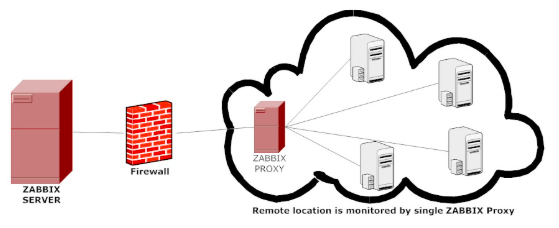
How does Zabbix collect data from devices outside my main network? Zabbix supports monitoring over the internet using agents or common protocols (ICMP, SNMP). For complex or distant networks, you can deploy a Zabbix Proxy (often on a smaller, local VPS) which aggregates data locally and sends it securely to the central Zabbix Server VPS.
What kind of database does Zabbix use, and why does it matter on a VPS? Zabbix can use MySQL, PostgreSQL, Oracle, or others. It matters on a VPS because Zabbix generates massive amounts of time-series data. The dedicated I/O speed of the VPS’s SSD storage is critical for quickly reading and writing this data, which directly impacts the speed of the web interface and the accuracy of alert processing.














Leave a Reply